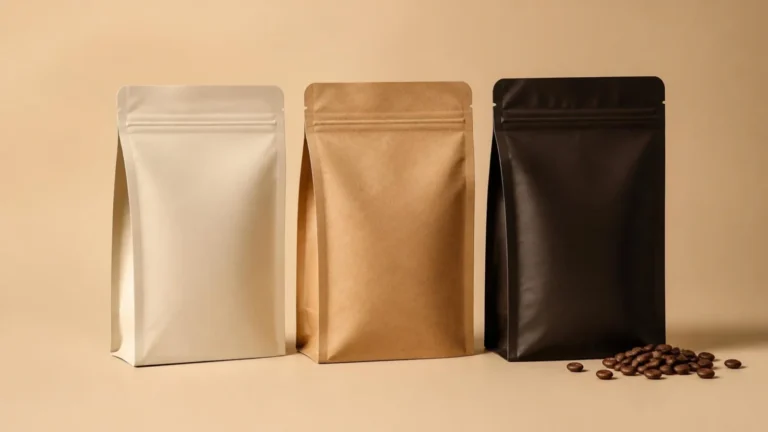
Changing coffee supplier is disruptive. Recipes change, staff need to adjust and regular guests notice. It is worth taking the time to choose well the first time. This checklist covers what to assess, whether you run a restaurant, a café, a hotel or an office, and the questions that reveal the most.
1. Product selection
Start with whether the supplier has coffee that suits what you serve. A restaurant may need an espresso and a traditional coffee. An office may need capsules or drip bags. A café may want two or three espresso options. A supplier with a focused, clearly described range is often easier to work with than one with a very long list.
Ask: Which of your coffees would you recommend for our menu and equipment, and why?
2. Consistency
The coffee you approve should be the coffee you keep receiving. Consistency comes from stable sourcing, defined roast profiles and controlled packing.
Ask: How do you keep this product the same from batch to batch? What happens if a component coffee becomes unavailable?
3. Fit with your business requirements
A good supplier asks about your business before recommending anything: your volumes, your equipment, your team’s skill level and your service style. If a supplier offers the same answer to every customer, it may not be the right answer for you.
4. Packaging and formats
Pack size affects freshness and waste. Coffee that sits open for weeks loses quality, so pack sizes should match how quickly you use it. Check which formats are available, such as whole bean, ground, capsules or single-serve bags. Our article on whole bean versus ground coffee explains the trade-offs.
Ask: Which pack sizes do you offer, and which would you suggest for our volume?
5. Quality and food-safety practices
Coffee is a food product. Ask where it is roasted and packed and which food-safety systems the facility works under. Recognised frameworks include HACCP and ISO 22000. A supplier should be able to answer this plainly and show documentation on request.
Ask: Which food-safety certifications does your facility hold, and can we see them?
6. Delivery and supply planning
Running out of coffee is not an option for most businesses. Understand how ordering works, how much notice is needed and how the supplier handles busy periods. A supplier that manufactures locally removes international shipping from your regular orders, though it is still worth asking about lead times.
Ask: How do we place orders, what notice do you need, and how do you handle a sudden increase in demand?
7. Communication and support
Problems are rare but they do happen. What matters is how quickly you can reach someone who can fix them. Some suppliers also offer training, which can make a real difference to how the coffee tastes in the cup.
Ask: Who is our day-to-day contact? Do you offer training for our staff?
8. Taste before you commit
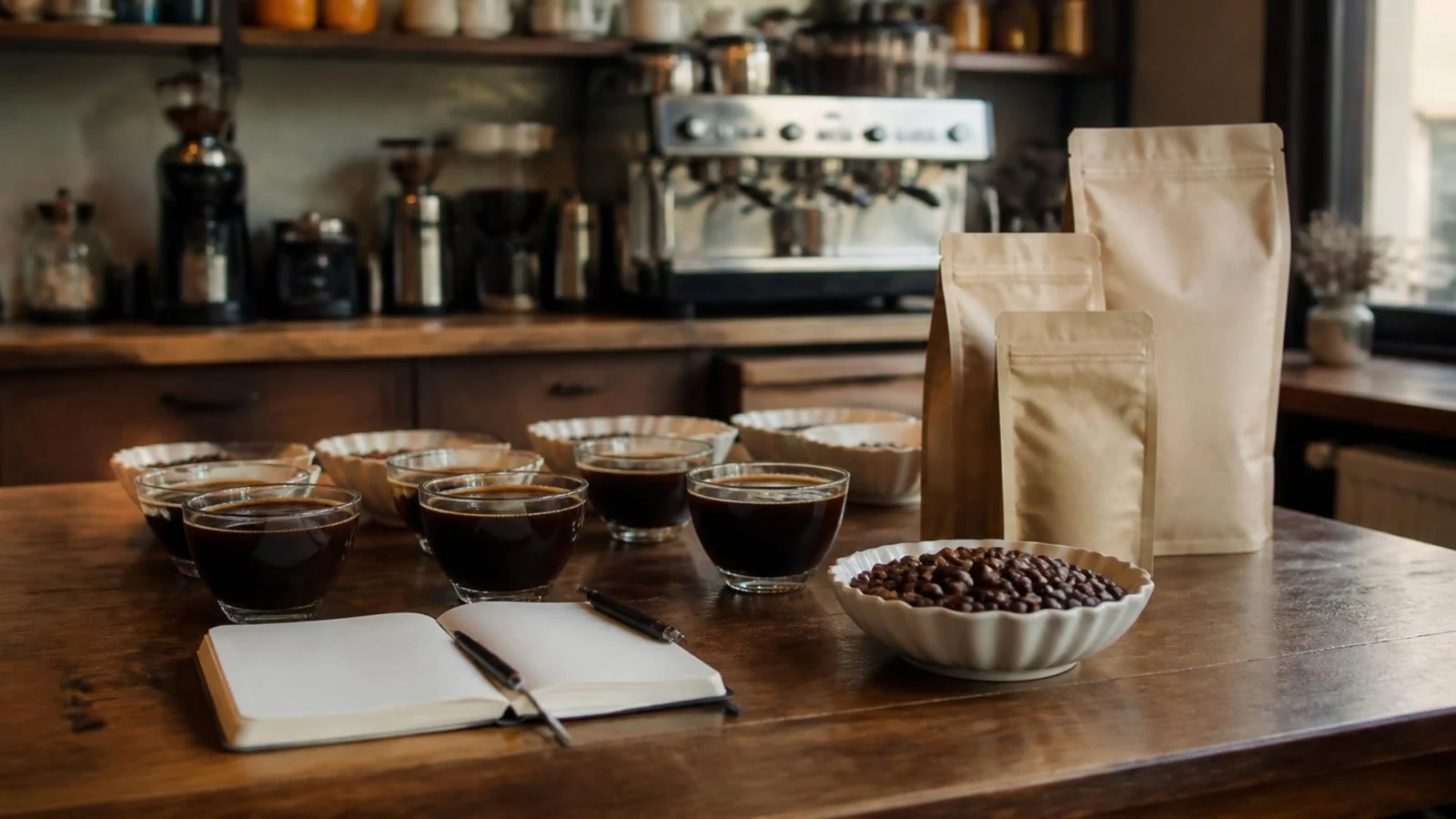
Always sample. Brew the coffee on your own equipment, the way you will serve it, and have the people who make and sell it taste it too. If you serve mostly milk drinks, taste it with milk.
A short supplier checklist
- The range includes coffees and formats that fit our menu and equipment.
- The supplier can explain how they keep products consistent.
- Pack sizes suit how quickly we use coffee.
- The facility operates under recognised food-safety systems.
- Ordering, notice periods and contacts are clear.
- We have tasted the coffee on our own equipment.
Talk to us about your requirements
Single Origin Coffee Factory roasts, blends and packs coffee in Doha under ISO 22000:2018 and HACCP food-safety systems, and offers coffee training alongside supply. If you are reviewing suppliers, we are happy to answer the questions above for our own products. Start on our For Businesses page or contact our team. If you are new to buying coffee in volume, our guide to wholesale coffee supply in Qatar is a useful next read.