Whole bean or ground is a practical decision as much as a quality one. Whole beans keep their freshness longer but need a grinder and someone who knows how to use it. Ground coffee is ready to brew but loses aroma faster. The right answer depends on your equipment, your team and how quickly you use coffee.
Whole bean coffee
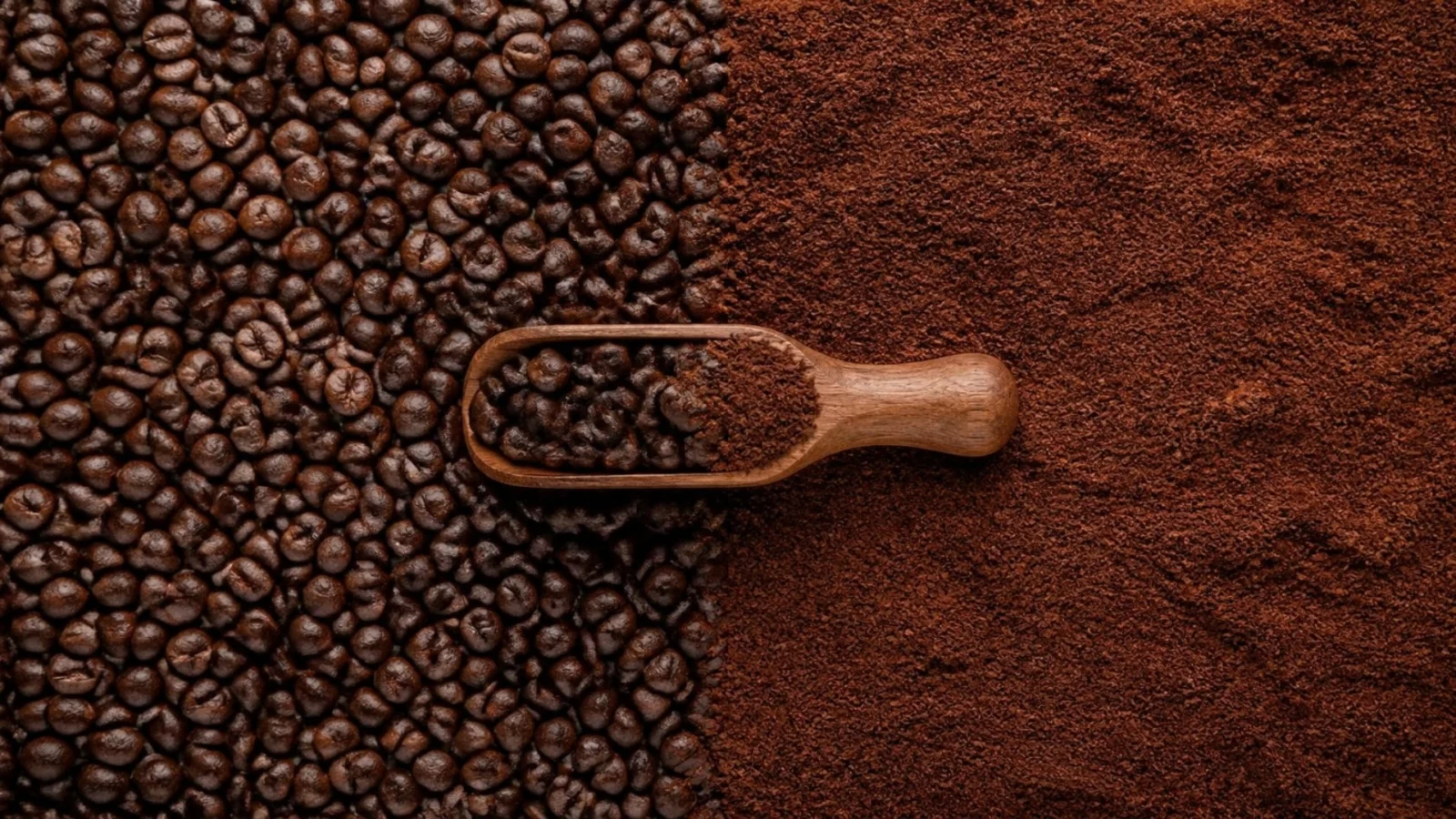
Whole bean coffee is ground just before brewing. Because the bean is intact, less of its surface is exposed to air, so it holds its aroma and flavour for longer after opening. Grinding on demand also lets you adjust the grind to the brewing method and fine-tune it from day to day, which matters most for espresso.
The trade-off is equipment and skill. You need a suitable grinder, and for espresso someone needs to check and adjust it regularly.
Ground coffee
Ground coffee is ground by the manufacturer to suit a particular brewing method. It removes a step, needs no grinder and gives the same grind every time, which makes results more predictable for teams without barista training.
The trade-off is shelf life once opened. Grinding greatly increases the surface exposed to air, so ground coffee loses aroma more quickly than whole beans. Buying pack sizes you will finish quickly makes a clear difference.
Freshness: what actually matters
Roasted coffee is affected by oxygen, moisture, heat and light. Whichever format you buy, three habits protect it:
- Buy quantities that match your usage, so coffee is not open for long.
- Reseal the pack or use an airtight container after opening.
- Store it somewhere cool, dry and away from direct light. Avoid storing it beside an oven or on top of a hot machine.
Grinding equipment
If you choose whole beans, the grinder matters as much as the coffee. Espresso needs a fine, very even grind and a grinder that can be adjusted in small steps. Filter and batch brew use a coarser grind and are more forgiving. Grinders also need regular cleaning to keep stale residue out of fresh coffee.
Which format suits which business?
Cafés and coffee-focused venues
Whole bean is the standard choice. Volume is high, baristas are trained and espresso quality depends on grinding to order.
Restaurants
It depends on the setup. A restaurant with an espresso machine and grinder will usually use whole beans. Where coffee is brewed by filter or prepared traditionally by service staff, ground coffee is simpler and more consistent.
Offices and meeting rooms
Convenience usually wins. Ground coffee for a filter machine, single-serve drip bags or capsules keep preparation quick and need no training.
Hotels
Often a mix: whole beans for the café or lobby outlet, ground coffee for volume brewing, and capsules or drip bags for rooms.
Traditional coffee service
Turkish coffee needs a very fine grind that most general-purpose grinders cannot produce well, so it is normally bought ready ground.
Formats in the Single Origin range
In summary
Choose whole bean if you have a good grinder, trained staff and enough volume to benefit from grinding to order. Choose ground coffee if simplicity and consistency matter more, and buy it in pack sizes you will use quickly. Many businesses sensibly use both. If you would like help matching formats to your operation, see our services for businesses, and read our guide to roast levels for the other half of the decision.