Every bag, capsule or drip sachet of coffee starts as a hard, pale-green seed that smells nothing like the drink it will become. Coffee manufacturing is the series of steps that turns that raw material into a finished, packed product that tastes the same from one order to the next. This article walks through those steps in plain terms and explains why each one matters if you buy coffee for a business in Qatar.
What coffee manufacturing actually covers
Roasting is the best-known stage, but it is only one part of the work. A coffee manufacturer is also responsible for choosing the green coffee, designing blends, grinding where a product calls for it, packing the coffee so it stays fresh, and checking quality along the way. When these stages happen in one facility, there are fewer hand-offs between companies and it is easier to keep a product consistent.
1. Sourcing green coffee
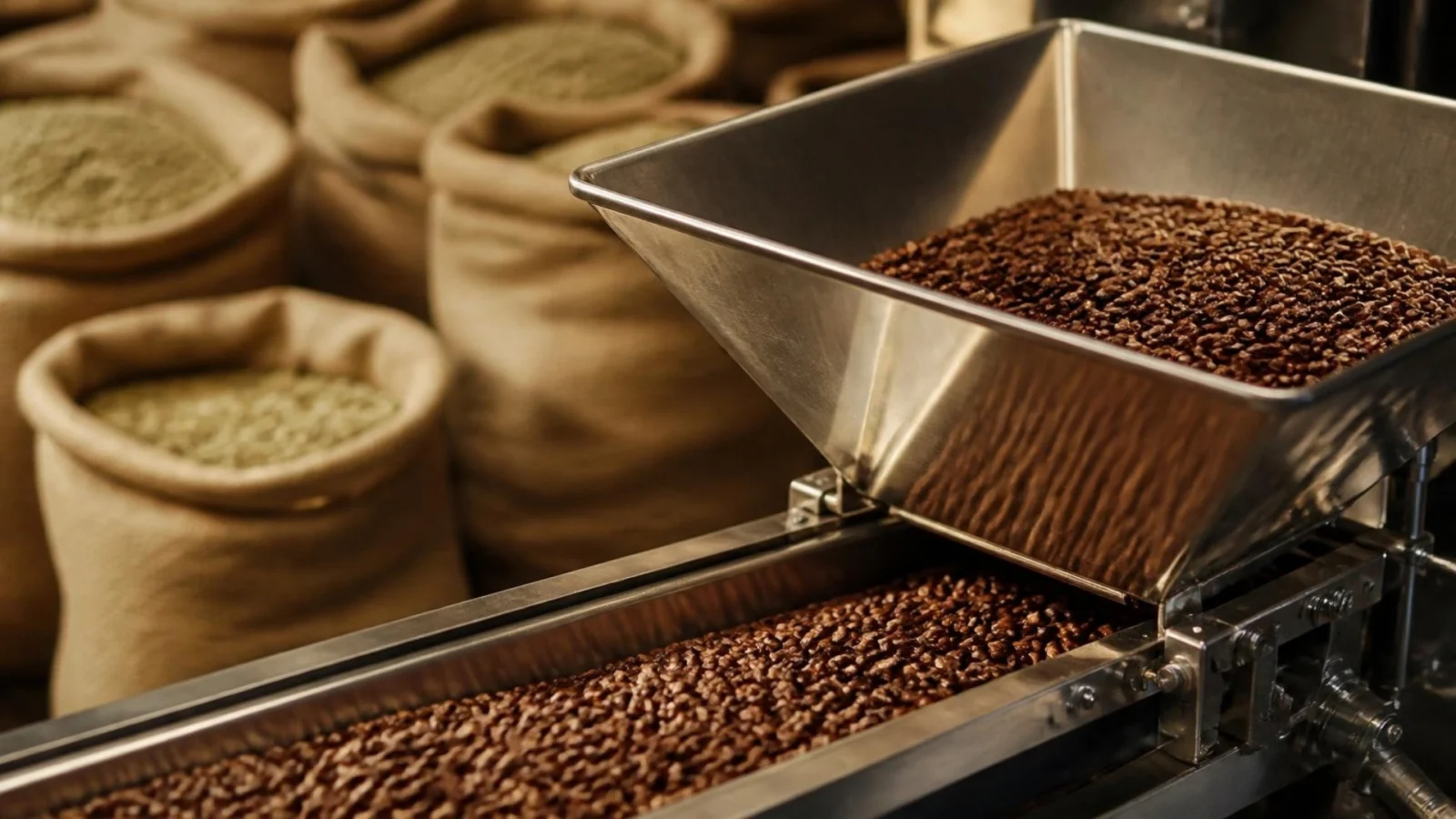
Green coffee is the dried seed of the coffee cherry. Where it was grown, the variety and how it was processed all shape how it can taste once roasted, so sourcing sets the ceiling for everything that follows. Manufacturers typically assess a lot before buying it and again when it arrives, because no later stage can add quality that was never in the bean.
Single Origin Coffee Factory sources green coffee from origins across Africa, Latin America and Asia. You can read more about that work on our Green Coffee Sourcing page.
2. Roasting
Roasting applies heat to green coffee until it develops the colour, aroma and flavour people recognise as coffee. Time and temperature are adjusted to reach a target roast level, from light through medium to dark. The same green coffee can taste noticeably different at each level, which is why a roast profile is treated as part of the product recipe. Our guide to light, medium and dark roasts covers the differences in more detail.
3. Blending and product development
A blend combines coffees to reach a flavour and body that a single coffee may not deliver on its own, and to keep that result steady as individual harvests change. Product development goes a step further and matches the coffee to how it will be used: an espresso for a café machine, a filter coffee for batch brewing, a finely ground coffee for Turkish preparation, or a capsule.
4. Grinding and packaging
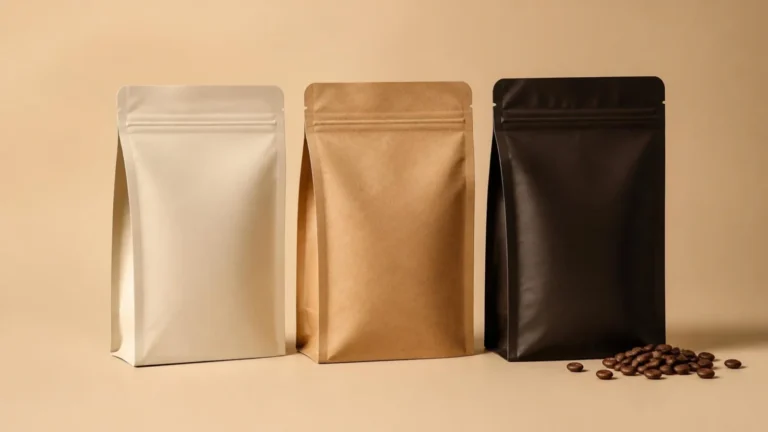
Roasted coffee is sensitive to oxygen, moisture, heat and light. Packaging exists to slow those effects down and to deliver the coffee in a practical format. That might be whole beans in a 1 kg bag for a café, ground coffee in a retail pack, single-serve drip bags or capsules. The format decides the grind size, the pack material and the pack size.
5. Quality control and food safety
Quality control runs through the whole process rather than sitting at the end. In food manufacturing it is usually built on a documented food-safety system. HACCP (Hazard Analysis and Critical Control Points) is a preventive method for identifying and controlling food-safety hazards, and ISO 22000 is an international standard for food-safety management systems.
Our facility in Doha operates under ISO 22000:2018 and HACCP food-safety systems. Roasting, blending and packing take place under one roof.
How these steps support business supply
For a café, restaurant, hotel or retailer, the value of a manufacturer is repeatability. Controlled sourcing, defined roast profiles and consistent packing are what allow the coffee you approve at the start to be the coffee you receive on later orders. Manufacturing in Qatar also means the product is made in the same market it is sold in.
The same capabilities sit behind services such as private-label coffee, where a product is developed and packed under another company’s brand.
In summary
Coffee manufacturing is a chain: sourcing, roasting, blending, packing and quality control. Each link affects the next, and consistency comes from managing all of them together. To see how this comes together at Single Origin Coffee Factory, visit Our Coffee Factory, or explore our services for businesses.