Private-label coffee lets a business sell coffee under its own name without building a factory. A café group can offer retail bags of its house espresso, a hotel can have its own in-room coffee, and a retailer can add an own-brand line. This article explains what private label means and the decisions involved, so you know what to expect before you start a conversation with a manufacturer.
What private-label coffee means
In a private-label arrangement, a manufacturer produces and packs coffee that is sold under another company’s brand. The manufacturer handles sourcing, roasting, blending and packing. The brand owner decides what the product should be, how it should look and how it will be sold.
This is different from simply reselling a manufacturer’s existing branded products. With private label, the name on the pack is yours.
Step 1: Define the product
A clear brief makes everything else easier. Useful questions to answer first:
- Who will drink this coffee, and where? At home, in your outlets, in a hotel room?
- How will it be brewed? Espresso machine, filter, Turkish preparation, capsule machine?
- What should it taste like in broad terms? Lighter and brighter, balanced, or dark and bold?
- What price position do you have in mind?
Step 2: Choose the coffee
There are two common routes. You can choose an existing coffee from the manufacturer’s range and pack it under your brand, or you can develop something specific, such as a blend built around a flavour you want. The first route is simpler. The second gives you a product that is more distinctly yours and usually involves more rounds of tasting.
Roast level is part of this decision. Our guide to light, medium and dark roasts explains the general differences.
Step 3: Sampling
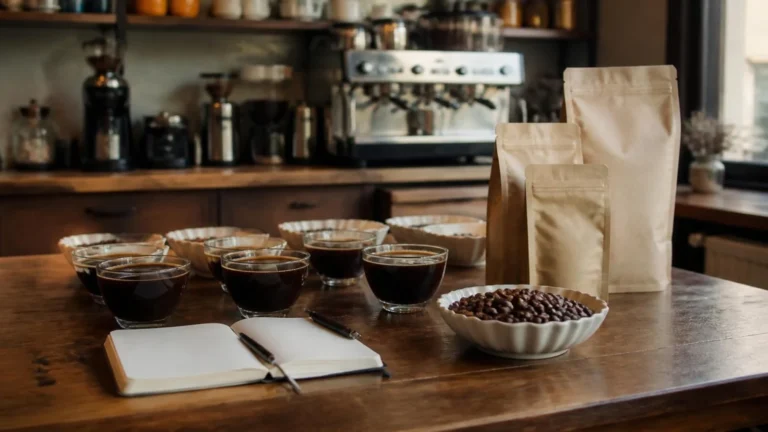
Sampling is how the product gets agreed. The manufacturer prepares samples, you taste them the way your customers will drink them, and you give feedback. It is worth tasting with the people who will actually sell or serve the coffee, and on the equipment it will be brewed with.
Step 4: Branding and packaging
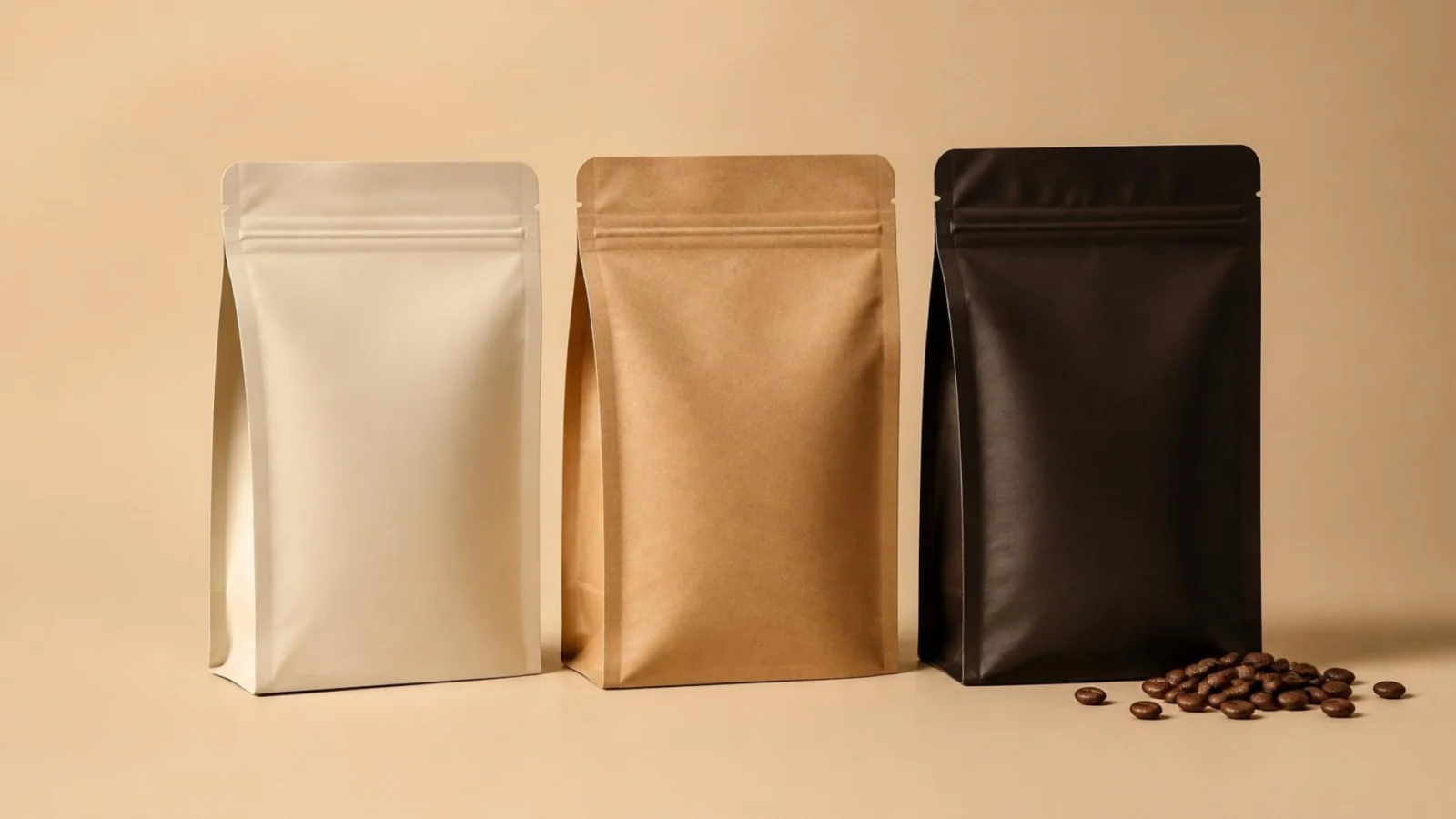
Packaging has two jobs: protecting the coffee and presenting your brand. Decisions usually include:
- Format. Whole bean, ground, capsules or single-serve drip bags.
- Pack size. Smaller packs for retail, larger packs for use in outlets.
- Design. Your logo, colours and the information you want on the pack.
- Label information. Product labels need to meet the labelling rules that apply where the coffee will be sold. Confirm the requirements with your manufacturer and the relevant authority early, because they affect the artwork.
Step 5: Production and reordering
Once the coffee and the packaging are approved, the manufacturer produces the product to the agreed specification. Quantities, timings and reorder arrangements vary by product and by manufacturer, so they should be agreed directly rather than assumed.
How to begin a private-label discussion
You do not need every answer before you make contact. A short description of your business, the product you have in mind, the format and a rough idea of volume is enough to start.
Single Origin Coffee Factory offers private-label coffee covering product development, packaging and branding, with coffee roasted, blended and packed at our factory in Doha under ISO 22000:2018 and HACCP food-safety systems. Read more on our Private Label page, see how coffee manufacturing works, or tell us about your project.